


How Does a Laser Cutter Work? Insights from China Manufacturers
When thinking about laser cutting, I've always been fascinated by the technology behind it. How does a laser cutter work? It uses a high-powered laser beam to cut through materials with precision, offering incredible accuracy and speed. As a B2B purchaser, understanding this process is key to making informed decisions. Sourcing from reliable manufacturers in China has its perks, including competitive pricing and quality control. I've seen firsthand how these manufacturers employ the latest laser technology, ensuring that every cut is clean and efficient. Whether you're looking to streamline your production or create intricate designs, partnering with a trusted Chinese manufacturer can transform your operations. The ability to quickly adapt to different materials—be it wood, acrylic, or metal—makes laser cutting an essential tool in modern manufacturing. Let’s connect and explore how we can enhance your projects with cutting-edge laser cutting solutions!


How Does A Laser Cutter Work Supplier Pioneers in the Field
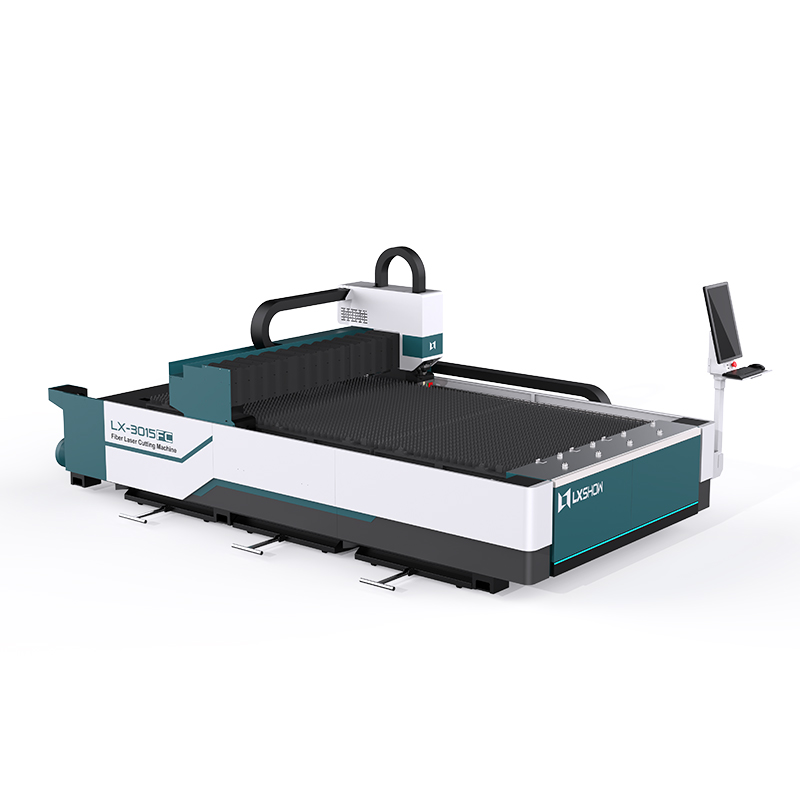
Laser cutters have revolutionized the manufacturing and design sectors, providing unmatched precision and efficiency. By utilizing focused laser beams to melt, burn, or vaporize materials, these machines can create intricate designs in a variety of substrates, including metals, wood, acrylic, and textiles. A laser cutter works through a combination of optics and software, where the laser is directed by mirrors and focuses on the material surface, ensuring precise cuts with minimal waste. This technology is not only enhancing production capabilities but is also paving the way for advanced customization in numerous industries, from automotive to fashion. Suppliers in the field continually innovate, producing high-performance laser cutting machines that cater to diverse applications. The latest models feature advanced features such as improved cooling systems, enhanced automation, and user-friendly interfaces. These innovations assist businesses in streamlining their production processes, increasing productivity, and reducing turnaround times. As global procurement trends evolve, the demand for reliable and cutting-edge laser cutting technology grows, making it essential for suppliers to remain at the forefront of technological advancements. For purchasing managers and procurement specialists, understanding the intricacies of laser cutting technology is vital. Partnering with leading suppliers not only guarantees access to state-of-the-art machines but also provides opportunities for collaboration and customization according to specific business needs. Embracing laser cutting technology can dramatically enhance operational efficiencies, enabling companies to stay competitive in an ever-evolving marketplace.
How Does A Laser Cutter Work: Supplier Pioneers in the Field
| Feature | Description | Applications | Materials | Power Range |
|---|---|---|---|---|
| CO2 Laser Cutter | Uses carbon dioxide gas to produce a high-quality beam. | Woodworking, Acrylic cutting, Leather engraving | Wood, Acrylic, Leather | 40W to 150W |
| Fiber Laser Cutter | Emits a fiber optic laser with high precision, suitable for metals. | Metal cutting, Marking, Engraving | Steel, Aluminum, Brass | 100W to 1000W |
| Nd:YAG Laser Cutter | Uses a crystal medium for high-energy applications. | Medical device manufacturing, Jewelry cutting | Metals, Ceramics | 50W to 200W |
| Ultrafast Laser Cutter | Generates extremely short laser pulses for precision cutting. | Micro-machining, Medical applications | Polymers, Thin films | Up to 500W |
Related Products


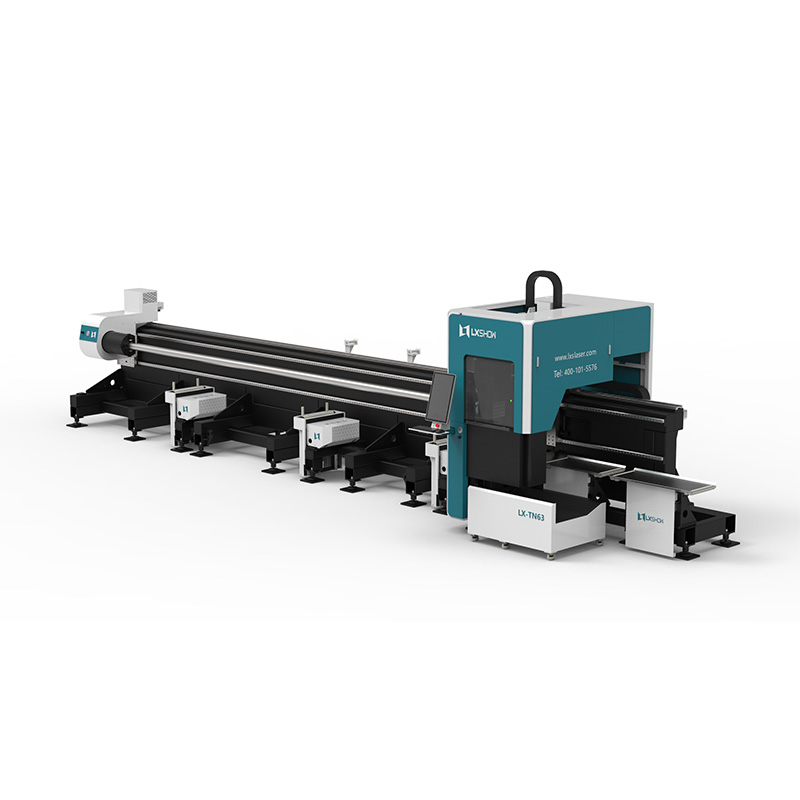
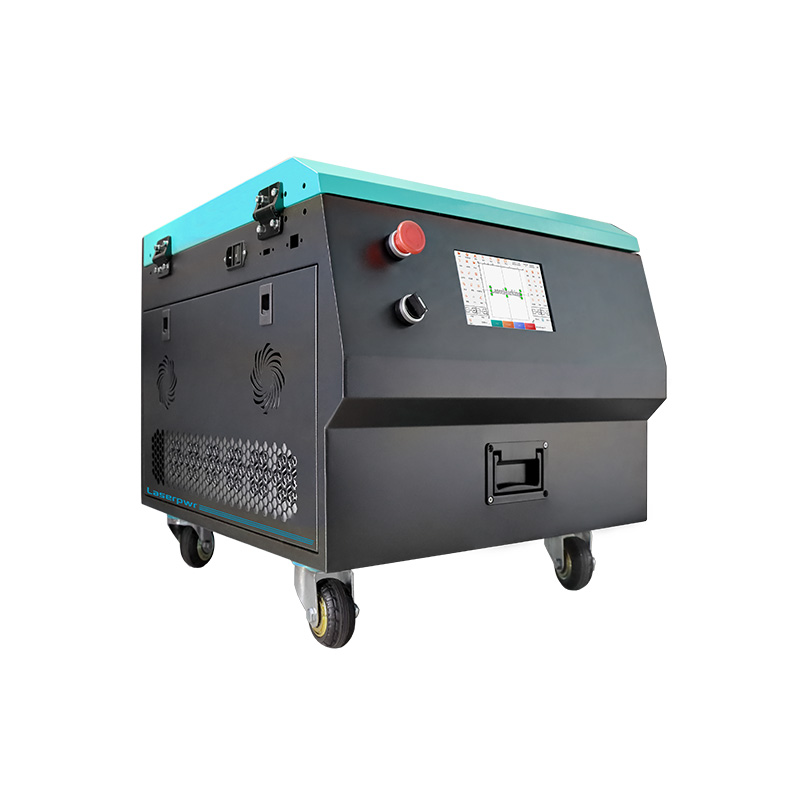

How Does A Laser Cutter Work Industry Leaders From Concept to Delivery
Top Selling Products




- Related Blog
- Reviews