


China Fiber Optic Laser Cutting Manufacturer: Precision and Quality Solutions
As a professional in the field, I understand the importance of precision and efficiency in manufacturing. Our fiber optic laser cutting technology delivers exceptional accuracy, ensuring your products meet the highest standards. Sourced from leading manufacturers in China, this cutting-edge solution allows for quick and cost-effective processing of various materials, from metals to plastics. I’ve seen firsthand how this technology enhances productivity, reducing waste while maintaining top-notch quality. The fiber optic laser cutting systems are designed for both high volume and detailed work, making them versatile for any business needs. Plus, with our commitment to quality and customer satisfaction, you can trust that you are getting a reliable product that supports your growth. Let’s talk about how our laser cutting solutions can elevate your manufacturing process today.
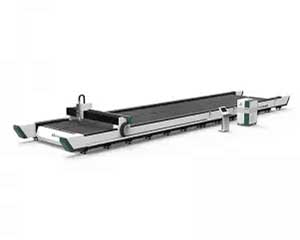
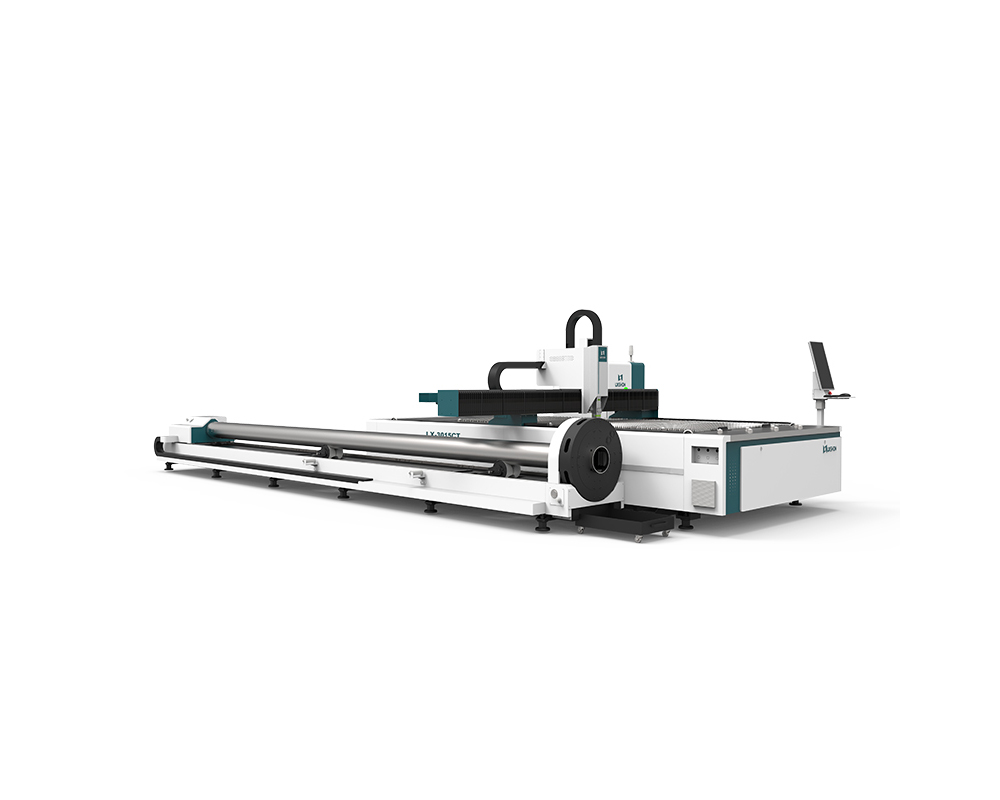


Fiber Optic Laser Cutting Where Innovation Meets 2025 Supplies the World\u2019s Top Brands
In the realm of advanced manufacturing, fiber optic laser cutting is at the forefront of innovation for 2025, revolutionizing the way industries operate. This cutting-edge technology not only enhances precision and speed, but also significantly reduces operational costs. It is transforming production lines across various sectors, from automotive to aerospace, providing manufacturers with unparalleled efficiency and quality. As global suppliers strive to meet the increasing demand from the world's leading brands, fiber optic laser systems offer a sustainable and adaptable solution to meet complex cutting requirements. The versatility of fiber optic laser cutting technology allows it to work with a wide range of materials, including metals, plastics, and composites. This adaptability makes it an ideal choice for manufacturers looking to innovate and stay ahead of the competition. Furthermore, as industries shift toward more eco-friendly practices, laser cutting is recognized for its reduced waste generation and energy consumption, aligning perfectly with the goals of sustainability-focused organizations. As we move toward 2025, the ability to integrate fiber optic laser technology into manufacturing processes will be a key differentiator for businesses aiming to thrive in a rapidly evolving market. Investing in fiber optic laser cutting solutions not only equips organizations with the tools needed for enhanced production capabilities but also opens doors for collaboration with top brands seeking reliable and innovative partners. As global procurement standards rise, aligning with technology that embodies quality and efficiency will be essential. Embracing this innovation journey now will position manufacturers favorably in the competitive landscape, ultimately shaping the future of global supply chains.
Fiber Optic Laser Cutting Where Innovation Meets 2025 Supplies the World’s Top Brands
| Feature | Specification | Application | Material Compatibility | Cutting Thickness |
|---|---|---|---|---|
| Cutting Speed | Up to 30 m/min | Automotive Parts | Steel, Aluminum | 0.5 - 25 mm |
| Beam Quality | M2 < 1.5 | Aerospace Components | Copper, Brass | 0.5 - 15 mm |
| Power Consumption | Up to 10 kW | Electrical Enclosures | Stainless Steel | 1 - 20 mm |
| Software Compatibility | Autodesk, SolidWorks | Fine Arts | Wood, Plastic | 1 - 10 mm |
Related Products

右斜.jpg)


Fiber Optic Laser Cutting Manufacturer Trusted by Pros
Top Selling Products



- Related Blog
- Reviews