


Top China Manufacturer of Laser Welding Machine for Mold Solutions
When it comes to precision and efficiency, I always trust our Laser Welding Machine for Mold, designed to meet the needs of manufacturers in China. This powerful equipment significantly reduces production time while achieving exceptional weld quality. I can assure you that the advanced technology behind our machine stands out in the competitive market. As a B2B purchaser, you'll appreciate the user-friendly interface and customizable settings that make it easy to adapt to different mold applications. I’ve seen firsthand how our laser welding solutions optimize workflows and enhance product durability, all while being cost-effective. As a manufacturer, I prioritize reliability and innovation, ensuring that our machine can handle even the most demanding tasks. Choosing our Laser Welding Machine means investing in your production capabilities. With ongoing support and service, your business will maintain a competitive edge in the ever-evolving landscape. Let's elevate your manufacturing process together!

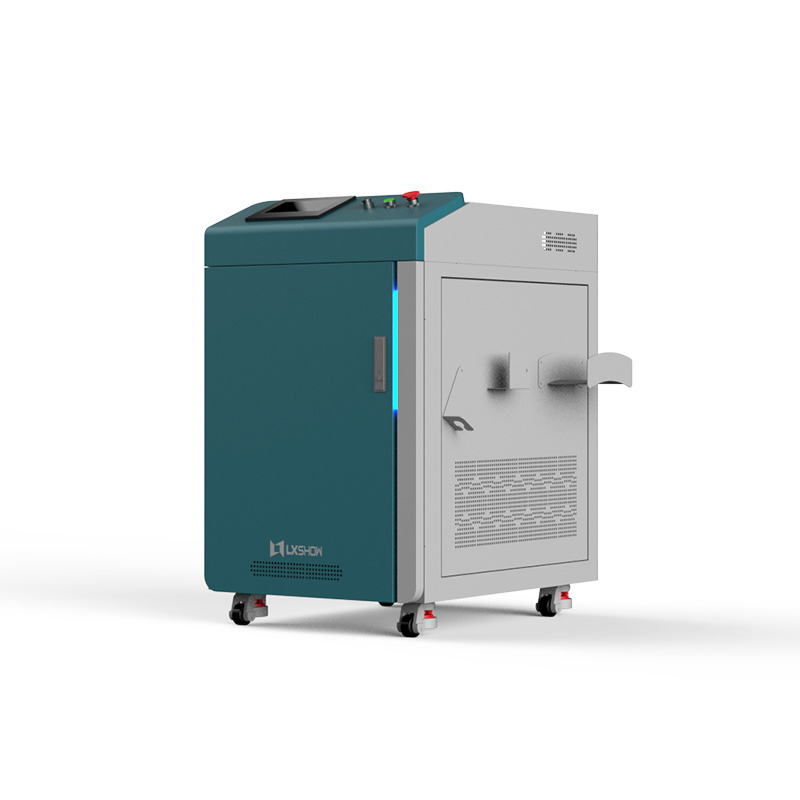
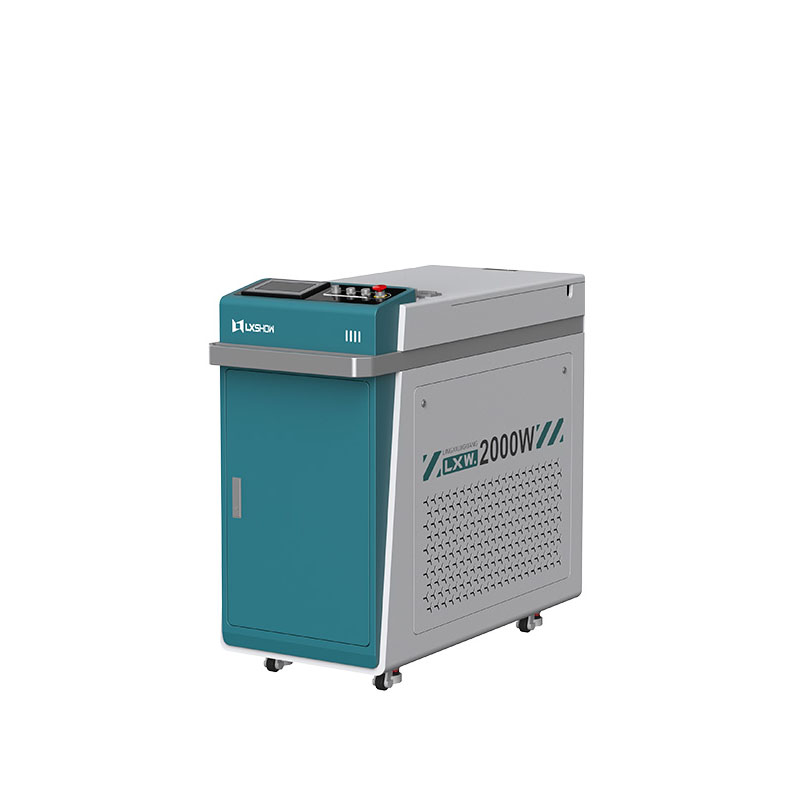

Laser Welding Machine For Mold Dominates Where Innovation Meets 2025
In the rapidly evolving world of manufacturing, the demand for precision and efficiency drives constant innovation. Laser welding technology has emerged as a game-changer, particularly in the field of mold production. As we advance towards 2025, laser welding machines are not only enhancing productivity but also revolutionizing the quality standards within the industry. These machines utilize high-powered lasers to fuse materials with precision, delivering seamless joins that reduce post-processing requirements and enhance durability. The trend toward automation and smart manufacturing further underscores the importance of adopting advanced laser welding solutions. As manufacturers seek to streamline their operations and minimize costs, the ability to integrate laser welding machines with existing production lines offers a compelling advantage. The increased flexibility and adaptability of these machines cater to a variety of materials and complex geometries, enabling companies to meet the diverse needs of global markets. As we move into a new era of innovation, embracing laser welding technology is essential for businesses aiming to maintain a competitive edge and drive growth in the mold industry. For global buyers, investing in advanced laser welding equipment is not just a matter of upgrading technology; it represents a strategic move towards future-readiness. Partnering with leaders in the field will ensure access to cutting-edge solutions that support sustainable growth, improve product quality, and enhance production efficiency in an increasingly demanding market landscape.
Laser Welding Machine For Mold Dominates Where Innovation Meets 2025
| Feature | Description | Advantages | Applications |
|---|---|---|---|
| Type of Laser | Fiber Laser | High precision, efficiency, and lower maintenance costs. | Mold manufacturing, automotive, aerospace. |
| Welding Speed | Up to 2 meters per minute | Increases productivity and reduces cycle time. | Heavy-duty molds, plastic components. |
| Automation Level | Fully Automated | Reduces human error and improves consistency. | Mass production, assembly lines. |
| Cooling System | Closed-loop Water Cooling | Enhances machine longevity and performance stability. | Continuous usage environments. |
| Control Software | User-friendly GUI | Simplifies operation and programming. | Customization for various mold designs. |
Related Products

Laser Welding Machine For Mold Supplier Delivers Unmatched Quality
Top Selling Products





- Related Blog
- Reviews